

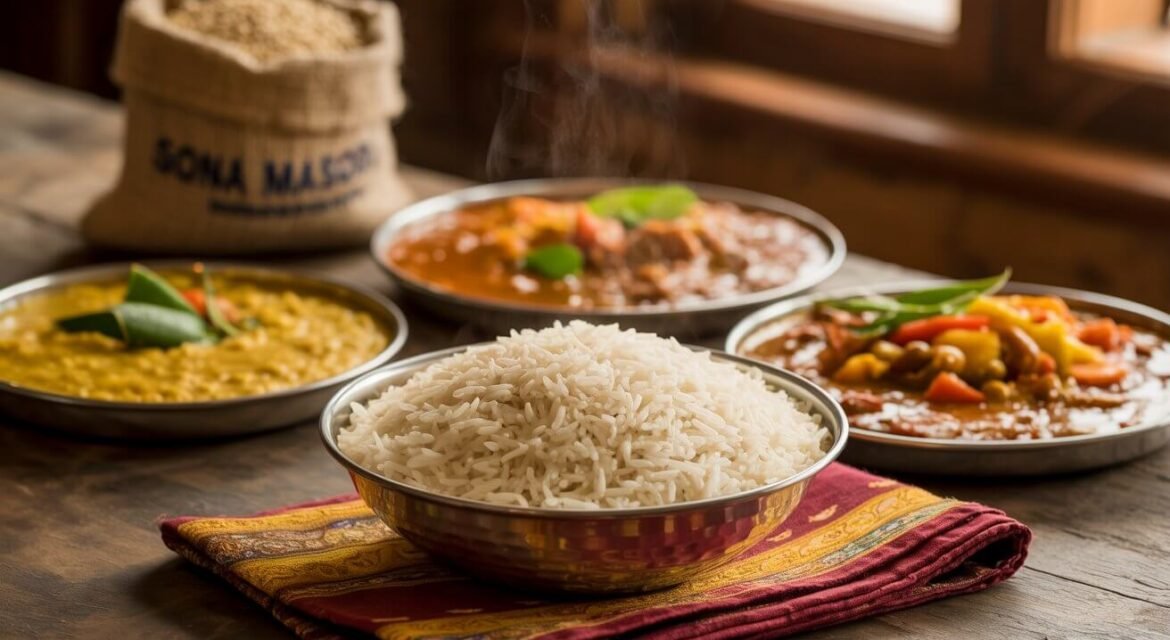
Sona Masoori: The Golden Grain of South India
Introduction
Sona Masoori rice stands as one of India's most beloved medium-grain rice varieties, earning its place as a staple in millions of kitchens across the subcontinent. This lightweight, aromatic rice has captured hearts not only for its delicate taste and texture but also for its impressive health benefits and remarkable versatility in culinary applications. Known by various names including Sona Masuri, Samba Masuri, and Bangaru Theegalu (meaning "Golden Ivy" in Telugu), this premium rice variety represents a perfect fusion of the Sona and Masoori rice species.
What Makes Sona Masoori Rice Special
Origin and Cultivation
Sona Masoori rice is primarily cultivated in the fertile regions of Andhra Pradesh, Telangana, and Karnataka, where the rich soil and favorable climatic conditions contribute to its exceptional quality. This cross between two renowned rice varieties has created a grain that combines the best characteristics of both parent species, resulting in rice that is light, fluffy, and naturally aromatic.
Key Characteristics
- Medium-Grain Excellence: Unlike the long grains of Basmati rice, Sona Masoori features medium-sized grains that offer a perfect balance of texture and flavor. When cooked, these grains maintain their individual integrity while providing a soft, non-sticky texture that makes every bite delightful.
- Natural Aroma: While not as intensely fragrant as Basmati, Sona Masoori possesses a mild, pleasant aroma that enhances rather than overpowers other ingredients in a dish. This subtle fragrance makes it an ideal canvas for various spices and flavors.
- Lightweight Nature: True to its reputation, Sona Masoori is remarkably light, making it easy to digest and perfect for daily consumption. This characteristic has made it a favorite among health-conscious consumers seeking nutritious yet satisfying meals.
Comprehensive Health Benefits
Nutritional Profile
Sona Masoori rice offers an impressive nutritional profile that sets it apart from heavily processed rice varieties. Per 100 grams of uncooked rice, it provides:
- Calories: 340-350 kcal
- Carbohydrates: 64-78g
- Protein: 6-6.5g
- Dietary Fiber: 1-4g
- Fat: 0.3-0.5g
- Iron: 8% of recommended daily intake
- Potassium: 107mg
Blood Sugar Management
One of Sona Masoori's most significant health advantages is its impact on blood sugar levels. Research indicates that this rice variety has a glycemic index ranging from 51-58, which is considered moderate to low. However, some studies suggest it may have a higher GI of around 72. The variation depends on cooking methods, processing levels, and regional differences in cultivation.
For individuals with diabetes, the lower glycemic impact means more stable blood sugar levels when consumed in moderation and paired with vegetables, proteins, and healthy fats. The semi-polished or unpolished varieties retain more fiber and nutrients, further supporting blood sugar management.
Weight Management Support
Sona Masoori rice offers several advantages for weight management:
- Lower Calories: Contains fewer calories compared to Basmati and other long-grain varieties
- Reduced Starch Content: Lower starch levels contribute to better satiety and reduced caloric density
- Easy Digestibility: Light texture prevents the heavy feeling often associated with rice consumption
- Sustained Energy: Complex carbohydrates provide steady energy without dramatic spikes
Digestive Health Benefits
The gentle nature of Sona Masoori makes it exceptionally beneficial for digestive health:
- Easy Digestion: Soft texture and lower starch content make it gentle on the digestive system
- Fiber Content: Retains beneficial fiber, especially in semi-polished varieties
- Gut-Friendly: Less likely to cause bloating or discomfort compared to heavier rice varieties
Essential Nutrients
Sona Masoori rice serves as a valuable source of essential nutrients:
- Iron: Supports healthy blood formation and prevents anemia
- Potassium: Essential for heart health and blood pressure regulation
- Magnesium: Supports bone health and metabolic functions
- Calcium: Contributes to strong bones and teeth
- B Vitamins: Support energy metabolism and nervous system function
Expert Cooking Tips and Techniques
Basic Cooking Method
Perfect Water Ratio:
The key to fluffy Sona Masoori rice lies in the proper water-to-rice ratio. Use 1:2 to 1:2.5 ratio (rice to water) depending on your texture preference.
Essential Steps:
- Rinse Thoroughly: Wash rice 2-3 times until water runs clear to remove excess starch
- Optional Soaking: Soak for 15-20 minutes for better texture
- Proper Boiling: Bring water to a rolling boil before adding rice
- Gentle Simmering: Reduce heat and cover, cooking for 15-17 minutes
- Resting Period: Let rice sit covered for 10 minutes after cooking
Instant Pot Method
For modern convenience, Sona Masoori cooks excellently in pressure cookers:
- Water Ratio: 1:2.5 (rice to water)
- Cooking Time: 12 minutes on high pressure
- Release Method: Natural pressure release for 10 minutes, then quick release
- For Fried Rice: Use 1:2 ratio and cook for 8 minutes
Specialized Cooking Applications
- For Curd Rice: Use 1:3 ratio with 15 minutes cooking time for softer texture suitable for mixing with yogurt.
- For Biryani and Pulao: Slightly undercook using 1:2 ratio for 8 minutes to prevent mushiness during layering.
- Pot-in-Pot Method: Ideal for small quantities or when cooking multiple grains simultaneously.
Why Sona Masoori Dominates Indian Kitchens
Cultural Significance
Sona Masoori has earned its place as a cornerstone of South Indian cuisine, where it serves as the foundation for countless traditional dishes. In states like Andhra Pradesh, Telangana, and Karnataka, it's not just rice—it's a cultural symbol representing comfort, tradition, and home cooking.
Economic Advantages
Cost-Effectiveness: Sona Masoori offers premium quality at significantly lower prices compared to Basmati rice, making it accessible to a broader population. This affordability factor has contributed to its widespread adoption in both household and commercial kitchens.
High Yield: Restaurants and catering services prefer Sona Masoori for its ability to expand well during cooking, providing better value for money.
Adaptability to Regional Tastes
The mild flavor profile of Sona Masoori makes it exceptionally adaptable to various regional cuisines and cooking styles. Its ability to absorb flavors while maintaining its texture has made it popular beyond South India, with North Indian households increasingly incorporating it into their daily meals.
Versatility in Indian Cuisine
Traditional Preparations:
- Steamed Rice: The most common preparation, served with sambar, rasam, and various curries
- Lemon Rice: A tangy, aromatic dish perfect for lunch boxes and travel
- Curd Rice: A cooling, probiotic-rich dish ideal for hot weather
- Sweet Pongal: A festival delicacy combining rice with jaggery and ghee
- Puliyogare (Tamarind Rice): A flavorful South Indian specialty
Modern Applications:
- Vegetable Biryani: Lighter alternative to Basmati for vegetarian biryanis
- Fried Rice: Absorbs flavors beautifully while maintaining texture
- Khichdi: Perfect for comfort food and easy digestion
- Idli and Dosa Batter: Used in fermented preparations
Global Market Presence and Export Success
International Recognition
Sona Masoori rice has gained significant international recognition, with India exporting approximately $1.1 billion worth of this variety annually. The rice is exported to over 66 countries, with the United States, United Arab Emirates, and Australia being the primary importers.
Export Statistics:
- United States: 40% market share (2,549 shipments)
- United Arab Emirates: 18% market share (1,132 shipments)
- Australia: 10% market share (652 shipments)
Quality Standards and Certifications
Leading exporters maintain strict quality standards, often obtaining certifications such as ISO 22000:2005, ISO 9001:2015, FSSAI, and HACCP to ensure international quality compliance. These certifications guarantee that the rice meets global food safety and quality standards.
Storage Tips for Maximum Freshness
Optimal Storage Conditions
- Temperature and Environment: Store Sona Masoori rice in a cool, dry place away from direct sunlight and heat sources. Room temperature storage is acceptable, but avoid areas near stoves, ovens, or windows with direct sunlight exposure.
- Container Selection: Use airtight containers made of glass, plastic, or stainless steel with tight-fitting lids. This prevents moisture, air, and pests from compromising the rice quality.
Shelf Life Guidelines
- White Sona Masoori: Can be stored for up to 2 years when properly stored at room temperature.
- Brown/Unpolished Varieties: Have a shorter shelf life of approximately 6 months due to higher oil content in the bran layer.
- Opened Packages: Transfer to airtight containers immediately after opening to maintain freshness.
Long-Term Storage Methods
- Vacuum Sealing: For bulk storage, vacuum sealing can extend shelf life to over a year by removing oxygen and preventing spoilage.
- Oxygen Absorbers: Adding oxygen absorbers to storage containers helps prevent oxidation, mold growth, and pest infestations.
- Freezer Storage: For extended storage, rice can be frozen in freezer-safe bags or containers.
Comparison with Other Rice Varieties
Sona Masoori vs. Basmati Rice
| Aspect | Sona Masoori | Basmati Rice |
|---|---|---|
| Grain Size | Medium | Long |
| Calories (per cup cooked) | ~150 | ~200 |
| Glycemic Index | 51-58 | 58-65 |
| Cooking Time | 15-17 minutes | 18-25 minutes |
| Water Ratio | 1:2 to 1:2.5 | 1:1.5 to 1:2 |
| Aroma | Mild | Strong, floral |
| Price | More affordable | Premium pricing |
| Best For | Daily meals, South Indian dishes | Special occasions, biryanis |
Processing Differences
Sona Masoori is typically available in semi-polished or unpolished forms, retaining more nutrients compared to heavily polished Basmati rice. This processing difference contributes to Sona Masoori's superior nutritional profile and health benefits.
Quality Selection Guide
Identifying Premium Quality
- Visual Inspection: Look for uniform, unbroken grains with consistent color. Avoid rice with excessive broken grains or foreign particles. Premium quality should have a natural, light golden color.
- Aroma Test: High-quality Sona Masoori should have a mild, pleasant fragrance without any musty or off odors.
- Brand Considerations: Established brands often maintain consistent quality standards and proper processing methods.
Regional Varieties
Rice sourced from specific regions like Kurnool and Nellore is often considered superior due to favorable soil and climatic conditions. These regional varieties may command premium prices but offer enhanced flavor and texture profiles.
Tips for Perfect Results
Cooking Success Factors
- Rice Age: Properly aged rice (6-12 months) often cooks better than freshly harvested rice, providing better texture and flavor.
- Water Quality: Use filtered water when possible to avoid mineral deposits that can affect taste and texture.
- Heat Control: Maintain proper heat levels throughout cooking—high heat for boiling, then low heat for simmering.
Troubleshooting Common Issues
- Sticky Rice: Usually caused by insufficient rinsing or too much water. Rinse more thoroughly and reduce water ratio.
- Undercooked Rice: Increase cooking time by 2-3 minutes or add a small amount of hot water and continue cooking.
- Overcooked Rice: Reduce cooking time and water quantity for firmer texture.
Conclusion
Sona Masoori rice represents the perfect marriage of tradition, nutrition, and culinary versatility. Its impressive health benefits, including better blood sugar management, weight control support, and easy digestibility, make it an excellent choice for health-conscious consumers. The rice's ability to adapt to various cooking methods and absorb flavors while maintaining its distinctive texture has secured its position as a kitchen essential across India and beyond.
From its humble origins in South Indian fields to its current status as a globally exported commodity worth over a billion dollars annually, Sona Masoori continues to prove that sometimes the best things come in medium-sized packages. Whether you're preparing a simple steamed rice dinner or an elaborate festival feast, Sona Masoori rice delivers consistent results that satisfy both the palate and nutritional needs.
For those seeking to incorporate healthier grains into their diet without compromising on taste or culinary tradition, Sona Masoori rice stands as an exemplary choice that honors the past while meeting modern nutritional demands. Its continued popularity in Indian kitchens and growing international recognition is a testament to its exceptional quality and enduring appeal in an ever-evolving culinary landscape.